
What “Medical Weight Loss” Actually Means
The term gets applied to almost everything now — from nurse practitioner clinics doing thorough metabolic workups to websites that mail medication after a five-minute intake form.
Actual medical weight loss involves a licensed provider reviewing your health history, current medications, lab work, and body composition before recommending any intervention. The goal is to understand why the weight isn't moving — not just to prescribe something that suppresses appetite.
For some patients, the answer is straightforward: clinical support, a structured nutrition plan, and GLP-1 medication when appropriate. For others, the picture is more complicated. Hypothyroidism, insulin resistance, cortisol imbalance, estrogen decline, low testosterone — all of these affect weight, and none of them show up on a basic intake form.
A program that skips that evaluation isn't medical weight loss. It's a prescription with a logo on it.
Why the Weight Isn't Moving — and Why It Matters
The most common thing we hear from new patients is some version of this: I'm doing everything right and nothing is working.
They're eating well. They're exercising. They've tried intermittent fasting, low-carb, cutting calories. The scale isn't moving, or it moves temporarily and comes back.
This is almost never a willpower problem. It's usually a metabolic or hormonal problem that hasn't been identified.
Here's what we look for before building a weight loss plan:
- Thyroid function. Underactive thyroid is one of the most common drivers of stubborn weight gain, fatigue, and cold intolerance in women over 40. A TSH alone is not a complete thyroid panel — free T3 and T4 matter too.
- Insulin resistance. Many people are insulin resistant for years before it shows up as a blood sugar problem. Insulin resistance makes fat storage preferential and fat burning nearly impossible without addressing the underlying mechanism.
- Hormone status. Estrogen decline in perimenopause and menopause directly affects body composition — fat accumulates in the abdomen, muscle becomes harder to maintain, and metabolism slows. Testosterone decline in men produces the same pattern. A weight loss program that ignores hormones is working against the biology.
- Cortisol and stress hormones. Chronic stress keeps cortisol elevated, which signals the body to hold fat — particularly visceral fat. This doesn't mean the answer is a stress management app. It means the clinical picture should include an honest assessment of adrenal function.
What a Thorough Weight Loss Consultation Looks Like
At Idaho Health & Hormones in Meridian, every weight loss program starts with a $149 consultation that covers:
- A complete health and medication history. What you've tried, what worked, what didn't, and what's going on medically that might be contributing.
- Body composition baseline. We use a medical-grade body composition analyzer (the seca mBCA) to measure lean mass, body fat percentage, and visceral fat — not just weight. This matters because the goal of medical weight loss is to reduce fat while protecting muscle. The scale alone can't tell you whether you're doing that.
- Clinician review. A prescribing clinician evaluates whether GLP-1 medication, hormone optimization, metabolic support, or a combination of approaches is appropriate for your situation. Nothing is prescribed without that review.
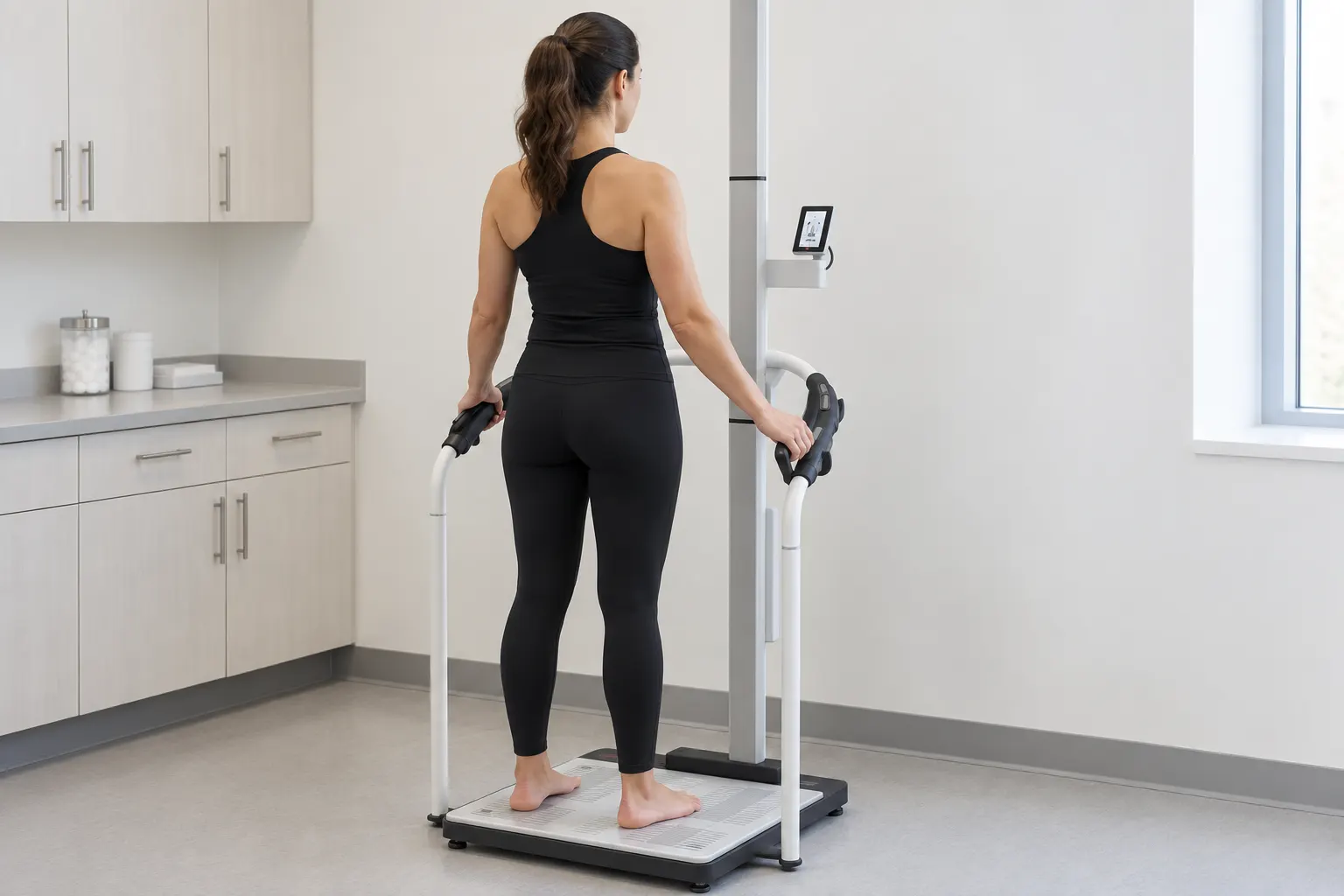
The consultation fee is $149. Lab fees, medication, and ongoing care are separate and discussed transparently — no surprises.
GLP-1 Medications: What They Do and What They Don't
GLP-1 receptor agonists — medications like semaglutide and tirzepatide — have changed the landscape of weight loss medicine in the last several years. When used appropriately, with clinical oversight, they produce meaningful results for many patients. (For a closer comparison, read Semaglutide vs. Tirzepatide: what Idaho patients should know.)
But they're a tool, not a complete program.
The risks of GLP-1 medication without adequate oversight include muscle loss (which accelerates with rapid weight loss), nutritional deficiencies, side effects that go unmanaged because there's no one to call, and weight regain after stopping because nothing was built to sustain the results.
The difference between a well-managed GLP-1 program and a subscription service is what happens around the medication: body composition monitoring, protein and nutrition guidance, hormone evaluation, dose management, and a plan for what comes after active weight loss. That's what we provide.
What Makes a Weight Loss Clinic Worth Your Time
If you're evaluating medical weight loss options in Meridian or the Boise area, here are the questions worth asking:
- Does the provider review labs and body composition before prescribing? If the answer is no, that's a flag.
- Is there in-person care available? Telehealth-only programs have a place, but there's no substitute for a provider who can actually see and assess you in the office.
- Is muscle preservation part of the plan? Rapid weight loss without attention to lean mass leaves patients lighter but weaker, with a slower metabolism than when they started. This is the reason most people regain weight after stopping medication.
- What's the maintenance plan? Active weight loss is the beginning, not the end. Any program worth doing should have a clear answer for what happens when the weight is off.
- Is hormone status assessed? Particularly for women in their 40s and 50s, hormones and weight are inseparable. A clinic that doesn't evaluate them is missing a significant part of the picture.
Serving Meridian, Boise, and the Treasure Valley
Idaho Health & Hormones is located at 2667 E. Gala Ct., Suite 110 in Meridian — close to patients across Boise, Eagle, Nampa, Caldwell, and the surrounding Treasure Valley.
We've been providing medical weight loss and hormone care in this community for five years. Our approach is integrated: weight loss care, hormone optimization, and body composition tracking managed by the same clinical team. That means your plan accounts for everything that's driving the problem — not just one piece of it.
New patient consultations are available same-week. No referral needed.
Start with the $149 Weight Loss Consultation → Book here or call (208) 268-8851.
Start with the $149 Weight Loss ConsultationThis article is for informational purposes and does not constitute medical advice. Treatment candidacy should be evaluated during a clinical consultation.
Common questions
Is the $149 consultation covered by insurance?
The initial weight loss consultation is a cash-pay service at $149. Some patients use HSA or FSA funds. Specific lab work may be billable depending on your plan — we can advise at your visit.
Do I have to take medication to be a patient?
No. The consultation determines what's appropriate for your situation. Medication is one option, not a requirement.
Can you take over care if I started on a GLP-1 somewhere else?
Yes. Bring your medication details, dosing history, recent labs, and any side effects or concerns. We'll evaluate independently and recommend a safe path forward.
What if I've already lost weight and need help maintaining?
We offer maintenance programs focused on body composition, hormone support, nutrition, and strength — built for the phase after active weight loss.
Do you see men as well as women?
Yes. Testosterone decline and metabolic dysfunction affect men too, and our weight loss programs address both.